









Stonehenge: Accessibility Review.

Updated: Aug 18
Stonehenge is one of the most famous tourist sites in the world. It is a pre-historic stone circle dating back around 5000 years. Located on Salisbury Plain in Wiltshire and currently managed by English Heritage, it is a UNESCO world heritage site. The smaller bluestones within the circle came from Wales, 140 miles away, and the larger sarsen stones weigh up to 25 tons each. The stones align with the Summer solstice sunrise and the Winter solstice sunset. Facts like these and the mystery over its true purpose are why Stonehenge has held such a fascination for so long. Visitors to the site can have a look inside reconstructed neolithic houses and explore the history of Stonehenge in the museum exhibit.
🎟️ Booking.
Tickets can be booked online (and may save up to 25% compared with on the day prices). National Trust, Cadw, Historic Scotland and some other membership schemes may get a discount (see the FAQ page and scroll to "I am an affiliate member. How do I book a ticket?"). English Heritage members are free, otherwise prices are £27.03 per adult (without donation, £31.80 on the day) and £13.51 per child (without donation, £15.90 on the day). There are concessionary rates for seniors and students and discounts for families. Essential companions can be booked online at the same time as buying other tickets. There is no evidence required to do so, however we would always recommend taking some evidence with you such as a copy of a blue badge or PIP award just in case it is asked for on the day.
*It is worth noting that these prices include the current Summer VAT cut valid until the 1st of September 2026.
ℹ️ Accessibility Information Availability.
There is basic accessible information available online and a more detailed accessible info pdf available to download.
🚗 Parking.
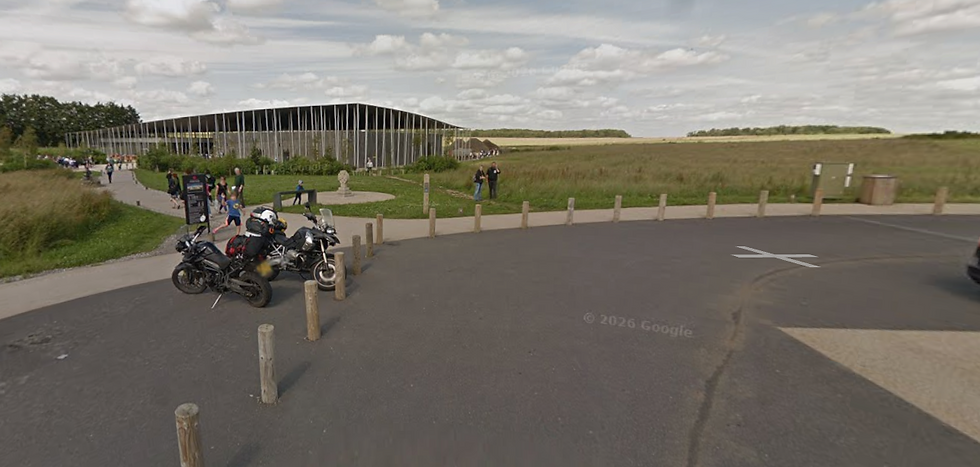
There are approximately 22 designated disabled parking spaces 40-60m from the main entrance. Parking is free for members displaying their car window sticker. Otherwise a £4 parking charge applies for all other visitors. The ground is loosely compacted gravel and is uneven. There are no EV chargers on site.
🩼 Mobility.
The carpark is tarmacked. The areas around the visitor centre have level access and are wheelchair accessible with stone flags underfoot. The path from the car park and neolithic house area has loose compacted gravel and some grassy areas which may prove difficult with wet weather.
There are a couple of shuttle buses from the visitor centre to the monument site. They run at regular intervals taking 10 minutes to reach the stones. These are accessible and have space suitable for up to 2 wheelchairs or a Class 2 mobility scooters with a max width 600mm x max length 1000mm.
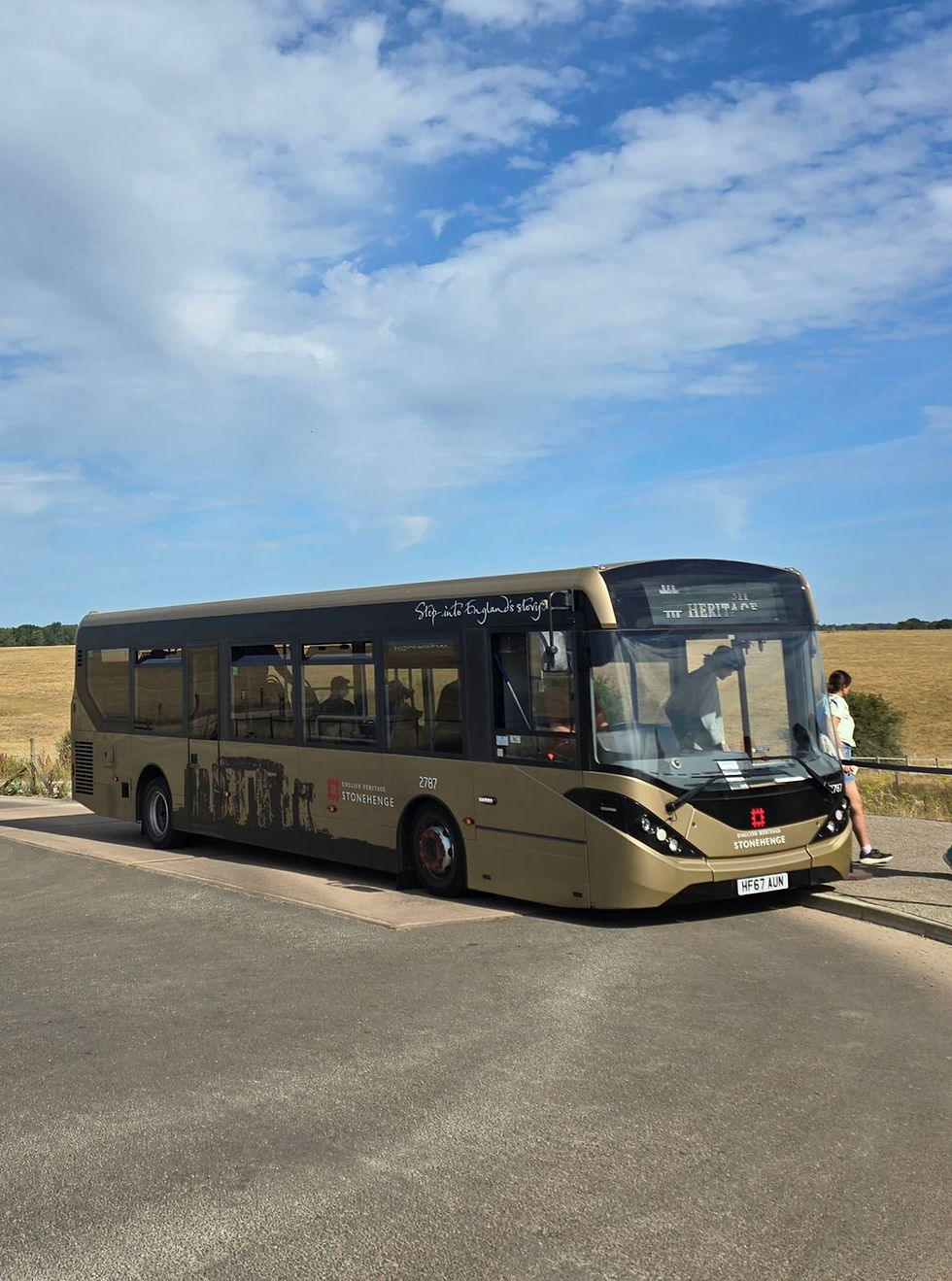
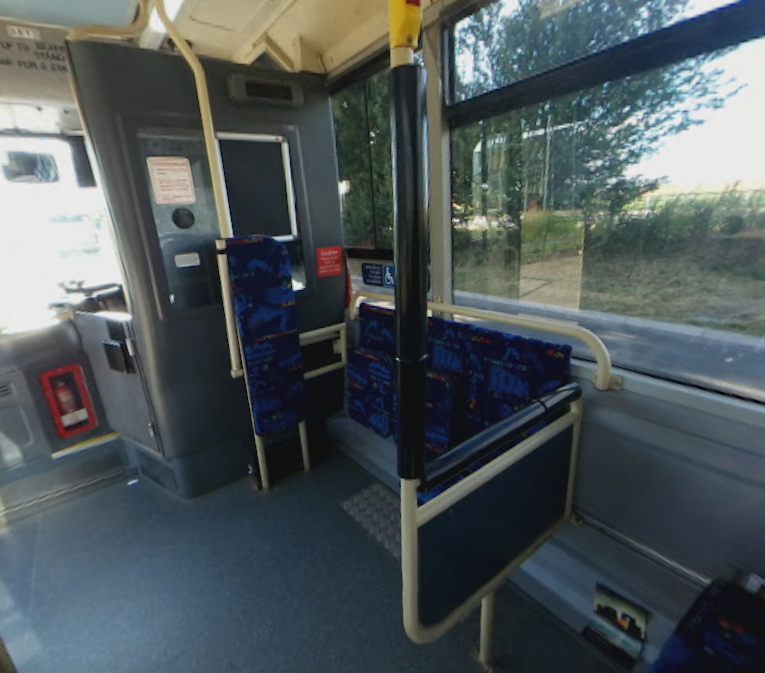
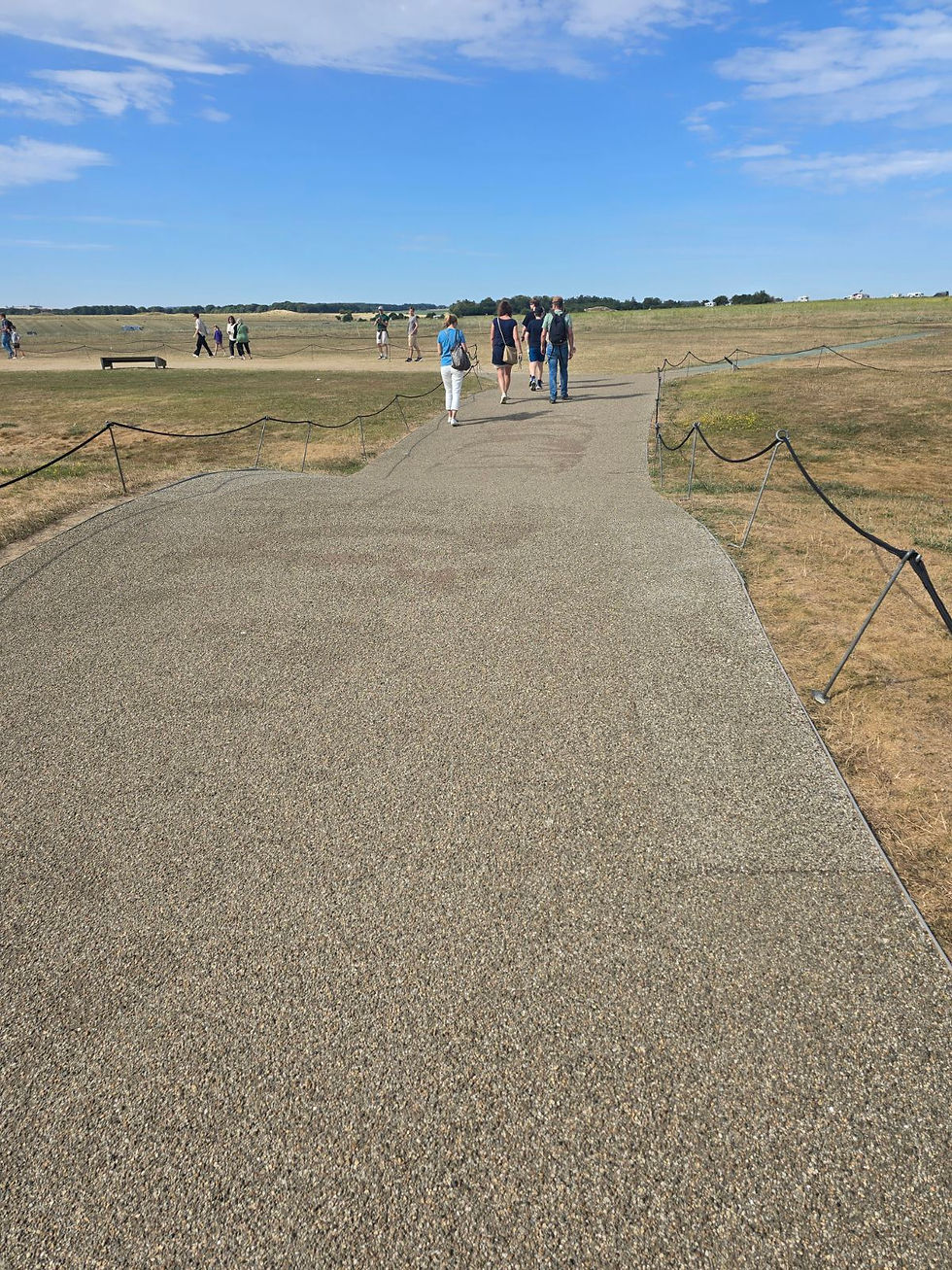
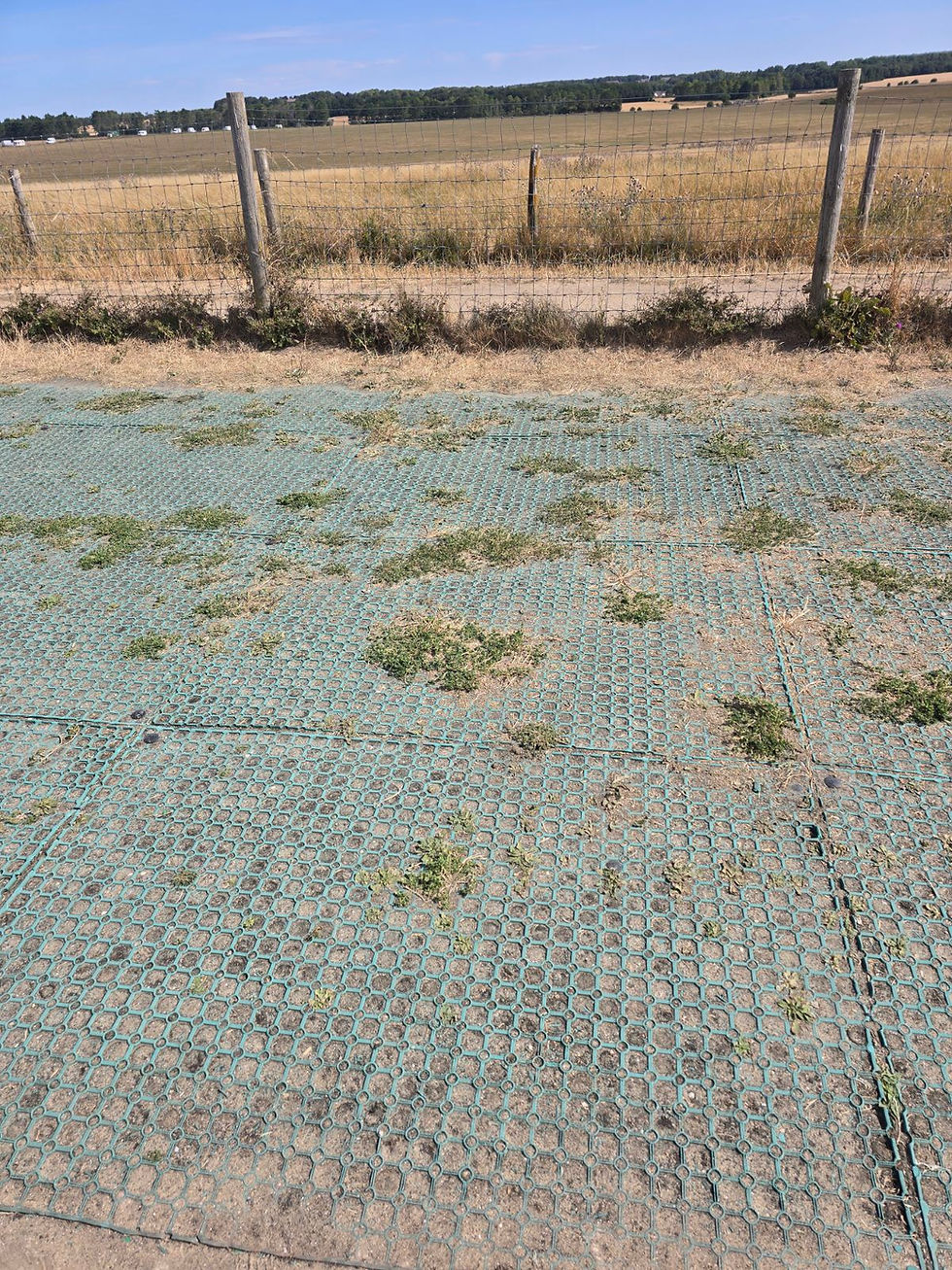
There are two wheelchairs available to borrow from the visitor centre. There is no need to pre-book these, they are available on a first come first serve basis. The walk from the shuttle drop off point around the stones and back to the shuttle bus is 300-400 metres. There are some benches, but not many. Bob needed many seated rest stops using his rollator and spent most of his energy for the day doing this (it's worth noting he was having a good day and rested for a week beforehand). There is a path some of the way around the stones made up of type of compacted gravel material. The path goes up and down quite a lot with some fairly steep bumps. When the path ends, its grass the rest of the way round (some areas had rubber matting underneath) which when its dry was fine, but if the ground was damp it wouldn't have been possible with a rollator. It was relatively flat and even though.
Back at the visitor centre, while wheelchair accessible, the shop and cafe were very busy by 11:30 and were hard to navigate with the rollator (we were there during school holidays).
🎧 Sensory.
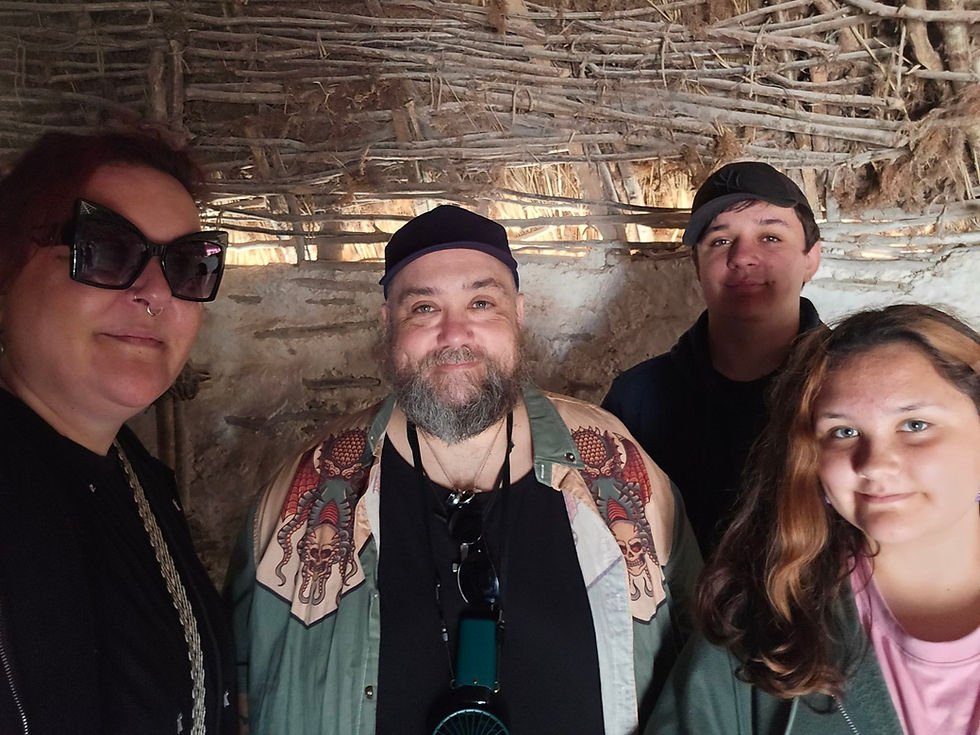
There are no sensory packs to borrow. There are some tactile objects in the museum and some stones that can be touched near the reproduction neolithic houses by the visitor entrance. The stones themselves are outdoors and so open to the elements. The shuttle bus to the stones and shop/cafe areas get quite busy which may be overwhelming to some. The museum has low level lighting, otherwise the space is light and airy. The stones are relatively peaceful even with lots of other visitors, the visitors centre area can be quite loud. The facility to eat outside or take food elsewhere may help with this. The neolithic houses have low ceilings and are dark inside.
🚽 Toilets.
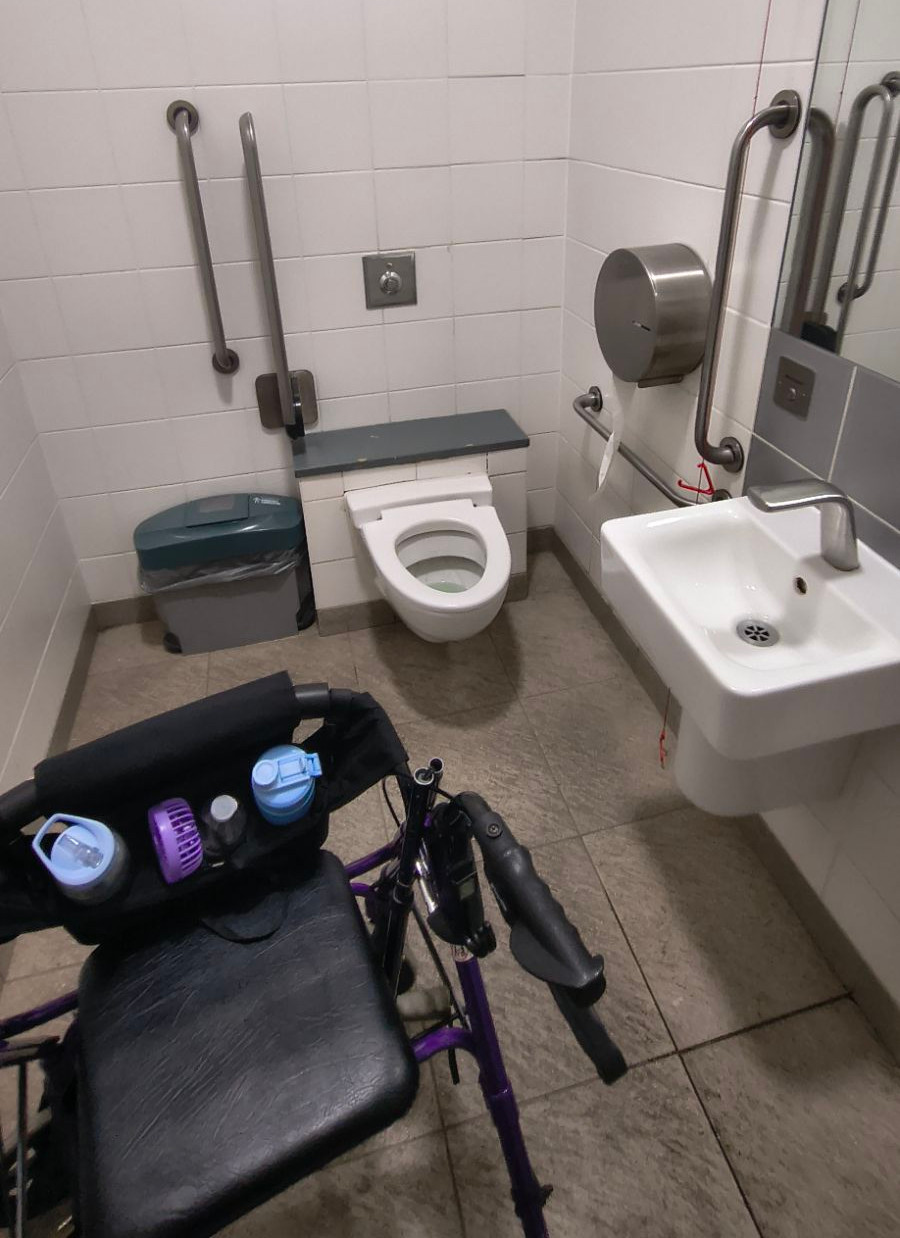
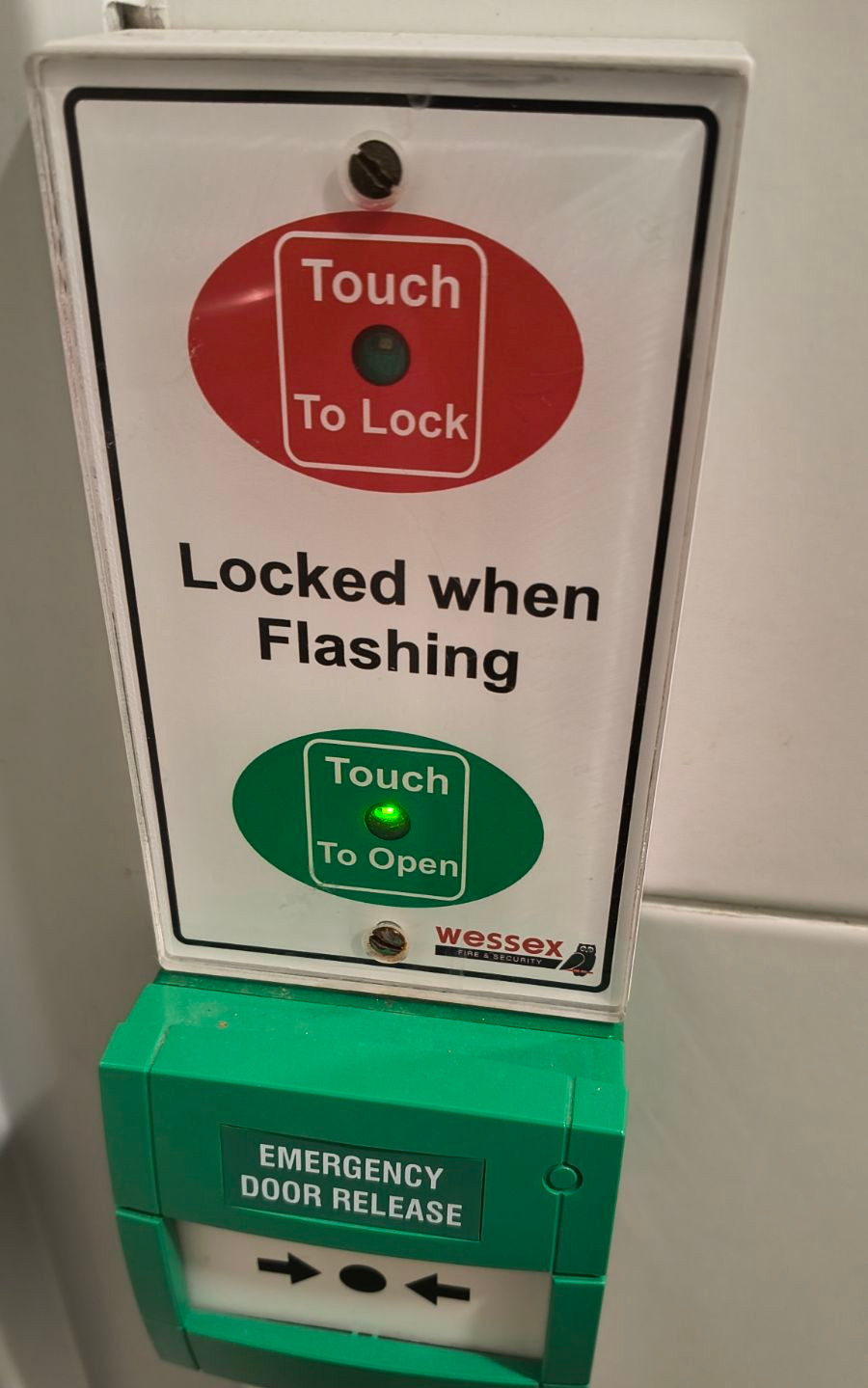
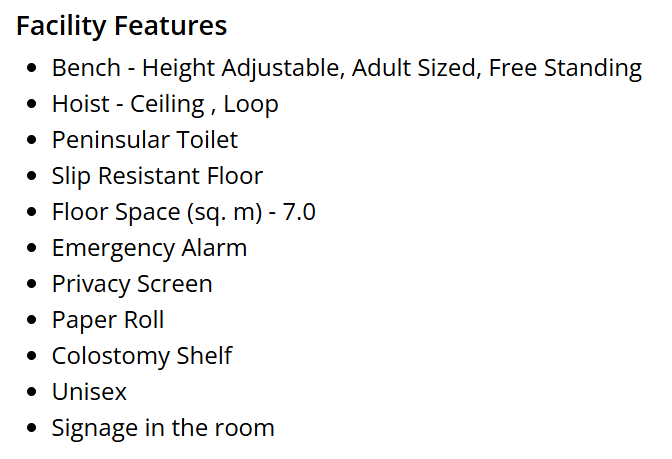
There is an accessible toilet and a Changing Places toilet at the visitor centre. There is no RADAR key required for the accessible toilet but there is one required for the Changing Places toilet. There are no toilets near the stones.
☕️ Food and Drink.
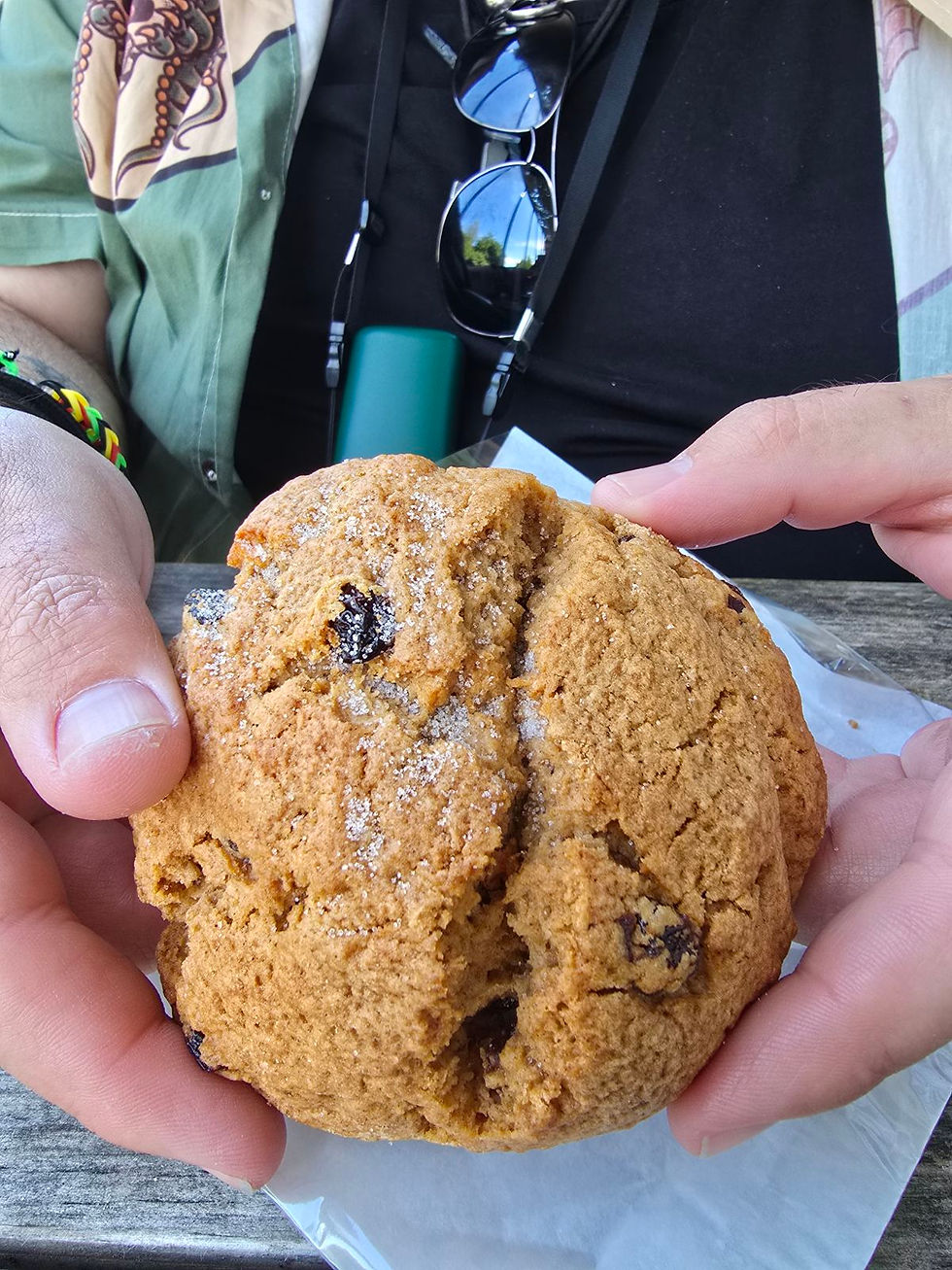
There is a cafe on site. It serves a variety of hot and cold food including pasties, soups and sandwiches. The prices reflect a busy tourist destination so expect them to be a little steep. There are also gluten free, vegetarian and vegan options available. There
is seating both inside and outside but all of the food is served in "picnic ready" packaging and so can be taken away and eaten elsewhere. There is a picnic site next to the stones, but there are no tables or benches, just a grassy space. There are water refill stations in the cafe.
🪑 Rest Opportunities.
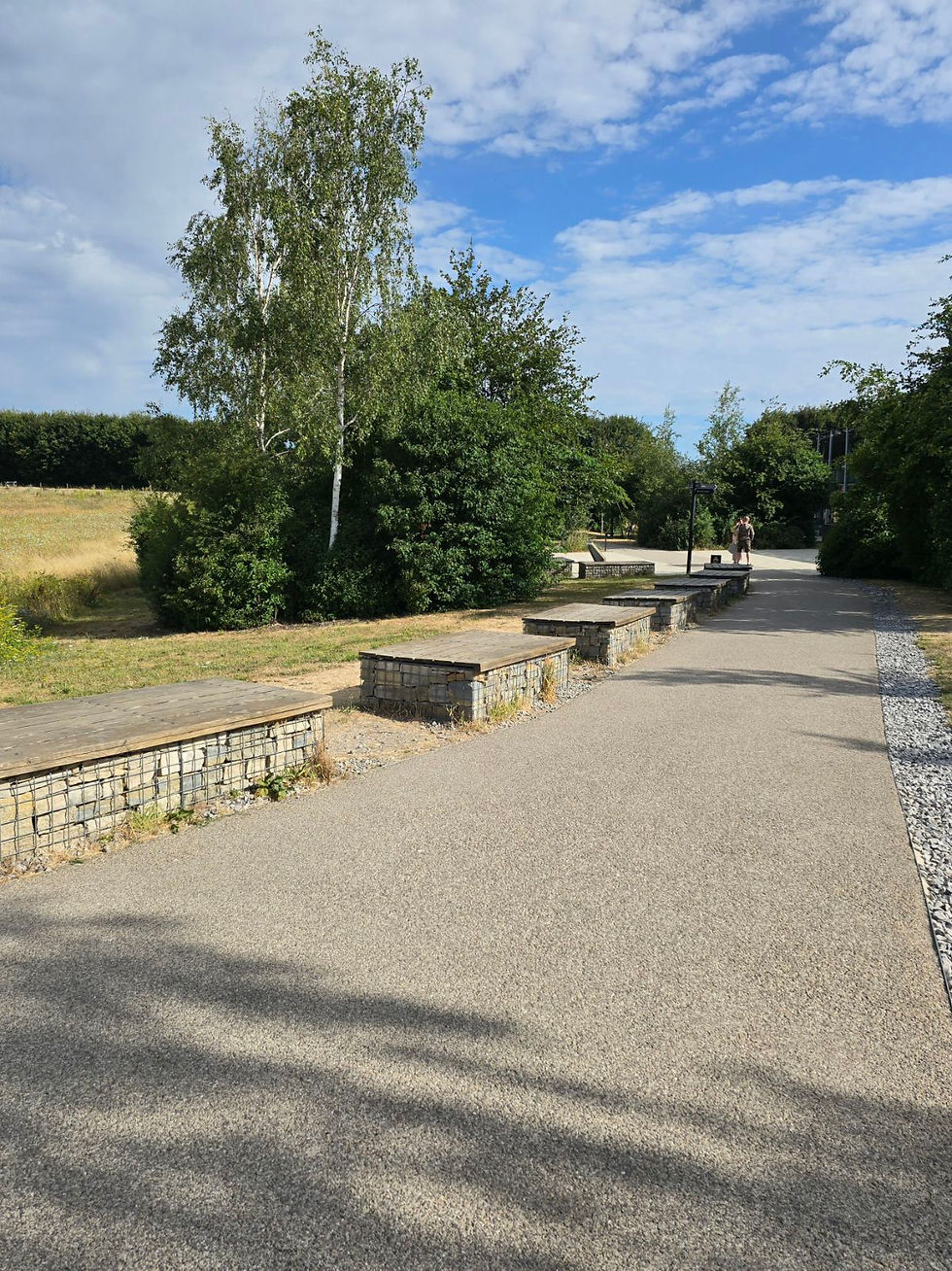
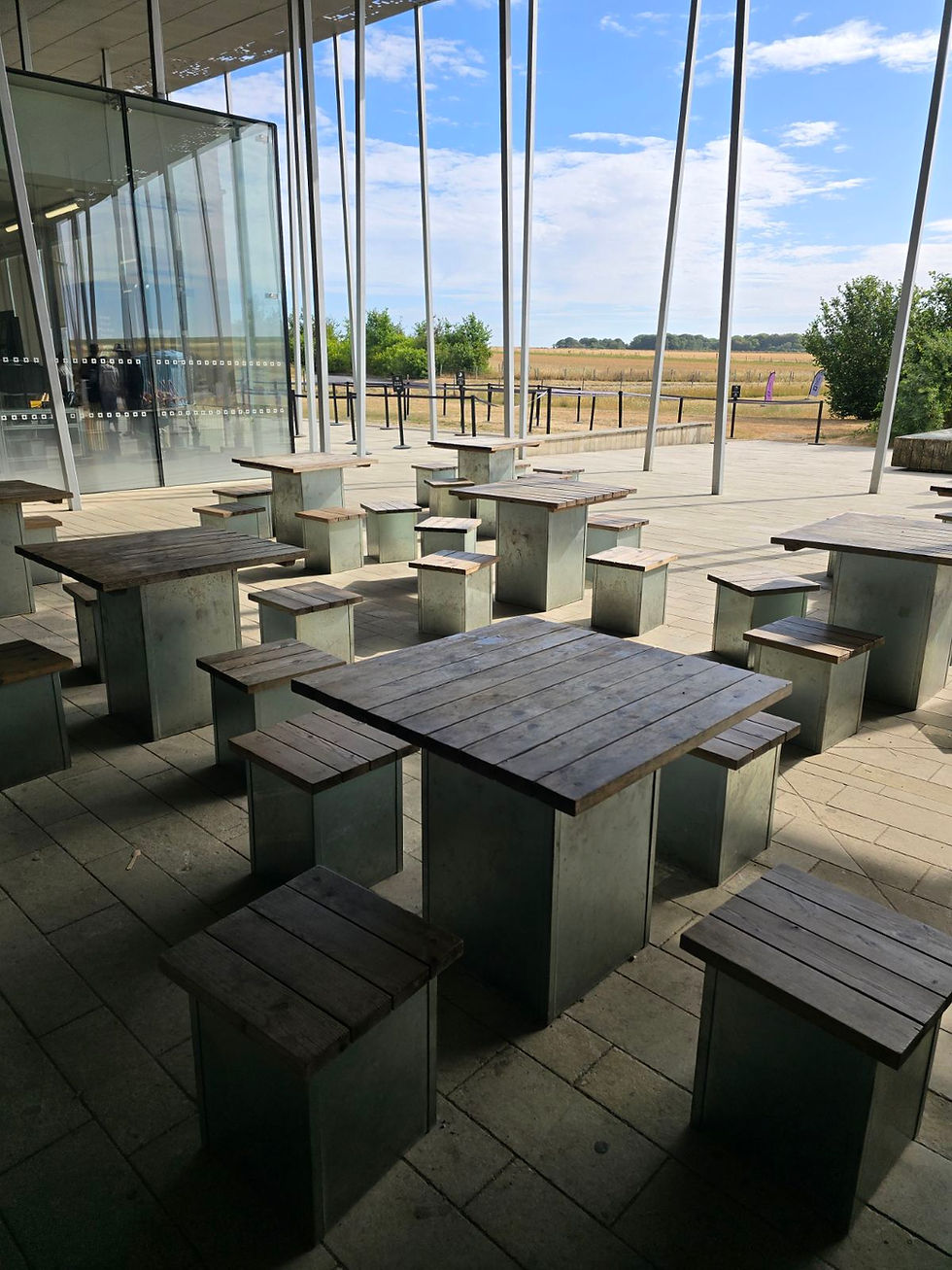
There are benches along the path from the carpark to the visitor centre. There is seating
inside and outside the cafe and there are benches around the site. There are no benches in the queue for the shuttle bus however which seems like an obvious omission. There are some benches around the stones providing much needed rest when walking around them, however the site is busy and so the benches do fill up regularly and quickly. These benches do not have backs or arms.
🦻 Hearing Assistance.
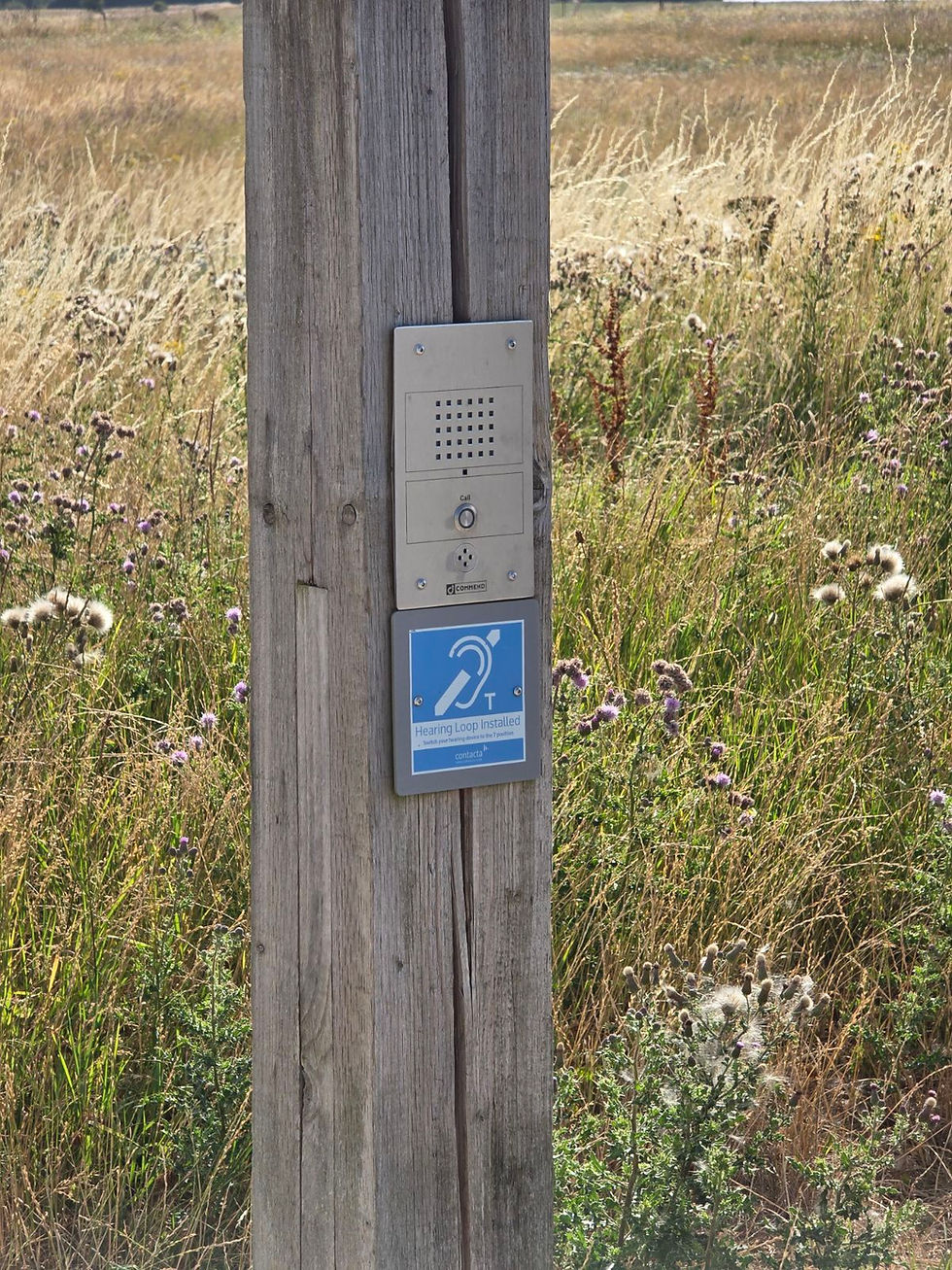
All of the tills and audio items at the visitor centre have induction loops. All of the spoken/audio exhibits in the museum provide subtitles and BSL. There are BSL tours and audio transcripts of tours available. There is also an audio guide free to download to phones or tablets to use with your own headphones. There are help point intercoms located within the car park that can connect to induction loops.
📖 Visual Support.
There are no Braille or Large Print guides or signs available. There are some tactile objects in the museum and there are stones that can be touched near the entrance to the visitor centre near the reproduced neolithic houses.
🐕🦺 Assistance Dogs.
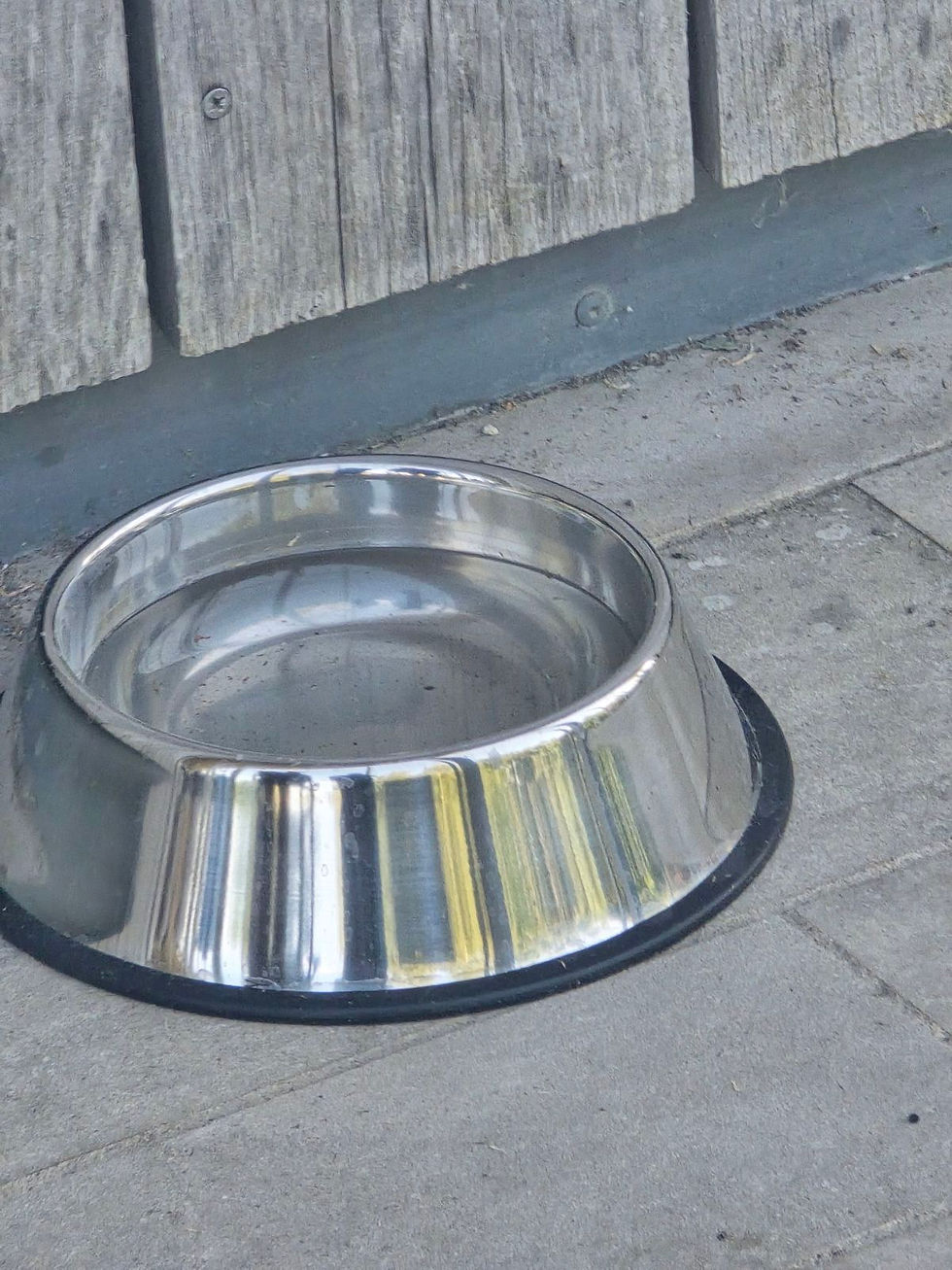
Assistance dogs are welcome on site and water bowls are provided at both the visitors centre and the stones.
Our verdict.
For the most part Stonehenge was fantastic. The staff were knowledgeable and helpful, there was plenty of seating in and around the visitor centre and the toilets were clean (when we visited). The prices for entry and food and drink are a little steep, but not unexpected. The variety of things available in the gift shop was great, much better than some of the other English Heritage sites we have visited. The stones themselves and the area is lovely, it had been something I had wanted to see since I was little and it didn't disappoint. In fact I was expecting it to be smaller as that seems to be a common complaint from visitor reviews online. The shuttle service was much needed but the lack of chairs in the queue for it was a fairly big issues as we were waiting for 15 minutes, fortunately Bob was using his rollator so he could sit on that.
💀💀💀💀
Comments